Advancing science through Quantum Computing.
At CQTA, we develop quantum algorithms from fundamental physics simulations to real-world optimization and machine learning.
Our research.
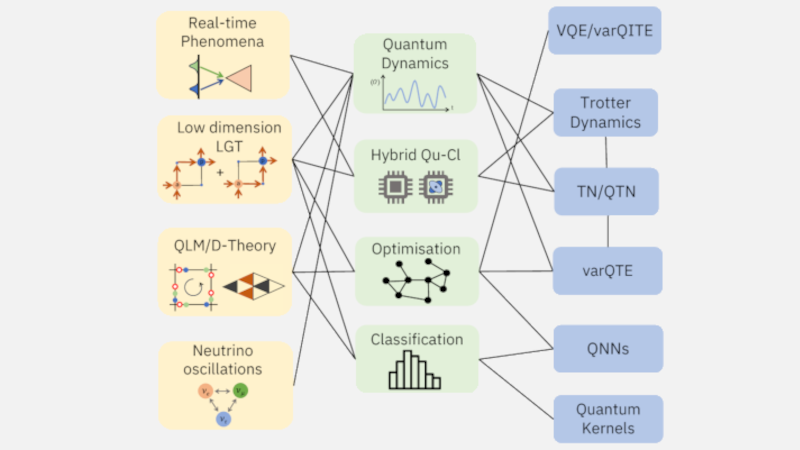
At the Center for Quantum Technology and Applications, we develop quantum and quantum-inspired algorithms that tackle challenges ranging from fundamental physics to practical applications. Our research spans simulating toy models of particle interactions and quantum field theories to exploring general quantum simulation methods that can be used for material science and quantum chemistry. Beyond fundamental physics, we address real-world optimization and machine learning problems with quantum computers. As an IBM Quantum Hub, we don't just theorize, we test our algorithms on cutting-edge quantum hardware, turning ideas into implementations. We're also advancing the field itself by developing techniques that generally improve quantum algorithms, from error mitigation to circuit optimization. Our team brings together theoretical physicists, mathematicians, and computer scientists, creating a collaborative and highly productive environment.
Research areas and projects.
Quantum Simulation.
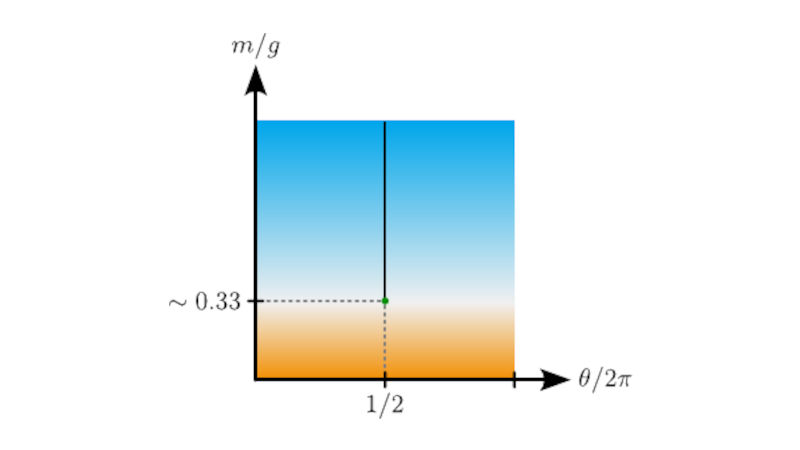
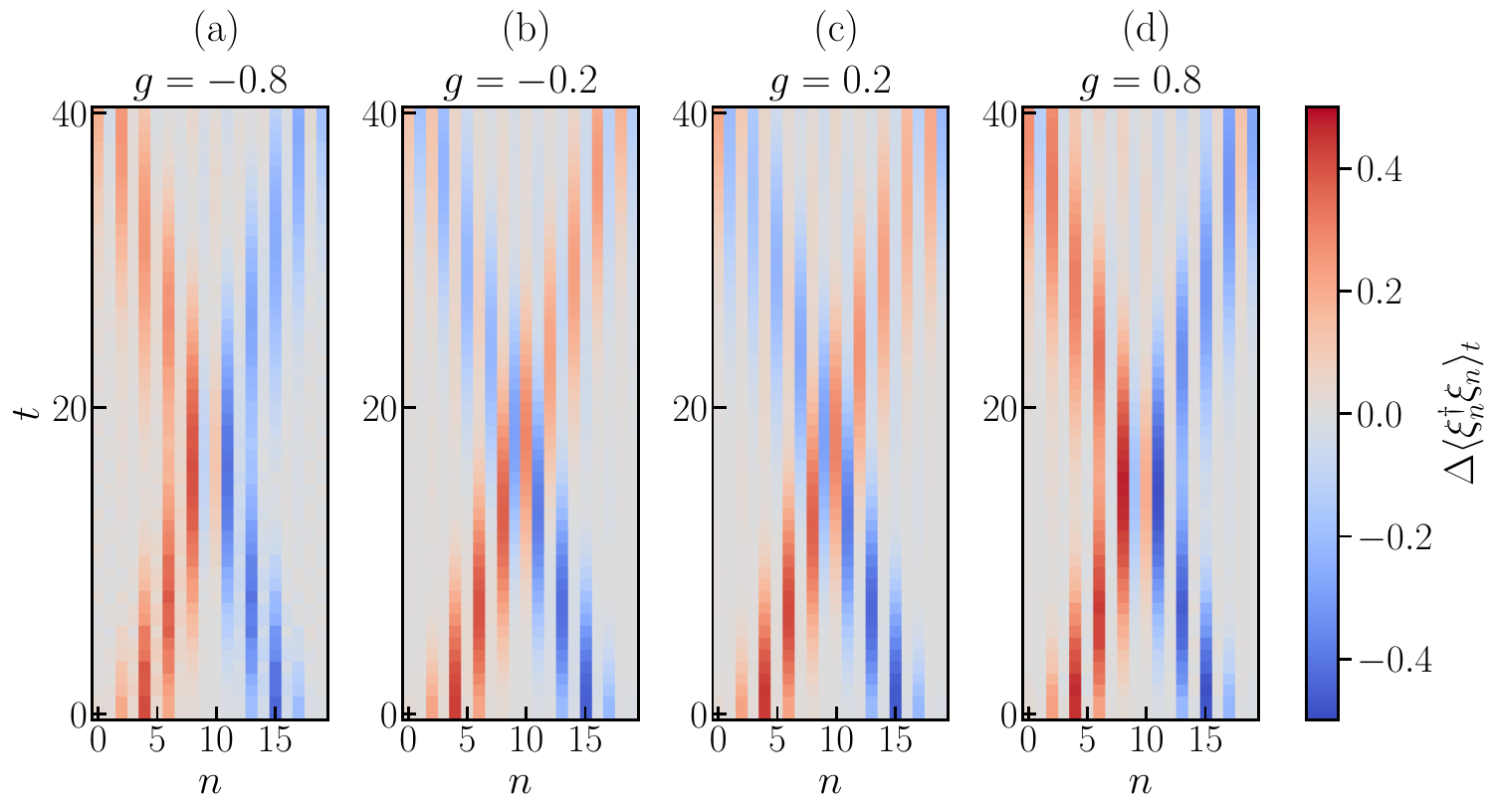
We use quantum computers and quantum-inspired algorithms to explore the behavior of matter under fundamental forces. Our research targets models from high-energy physics, such as the Schwinger model and (2+1)-dimensional quantum electrodynamics (QED), which capture essential features of particle interactions while remaining computationally tractable with conventional approaches. Using tensor network methods, we map out the phase diagrams of matter coupled to gauge fields, revealing how particles behave under different conditions. On quantum hardware, we simulate scattering processes between fermions in simplified QED models, providing insights into particle collisions that are difficult to study with classical computers. These investigations not only deepen our understanding of fundamental physics but also serve as valuable benchmarks for advancing quantum simulation techniques.
Quantum Machine Learning.
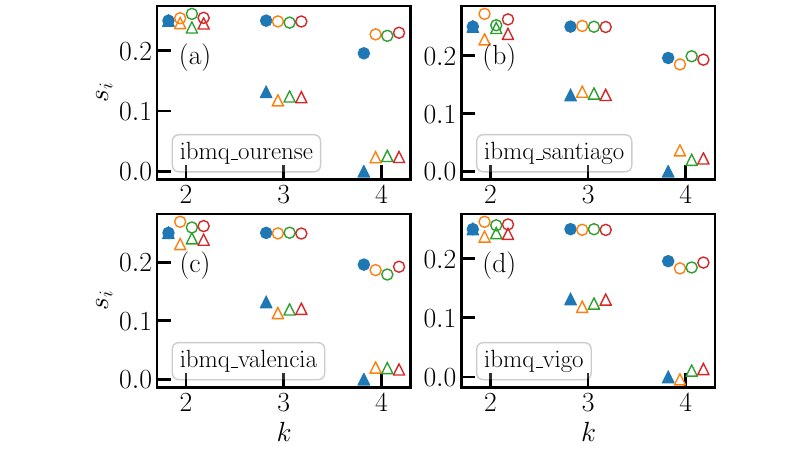
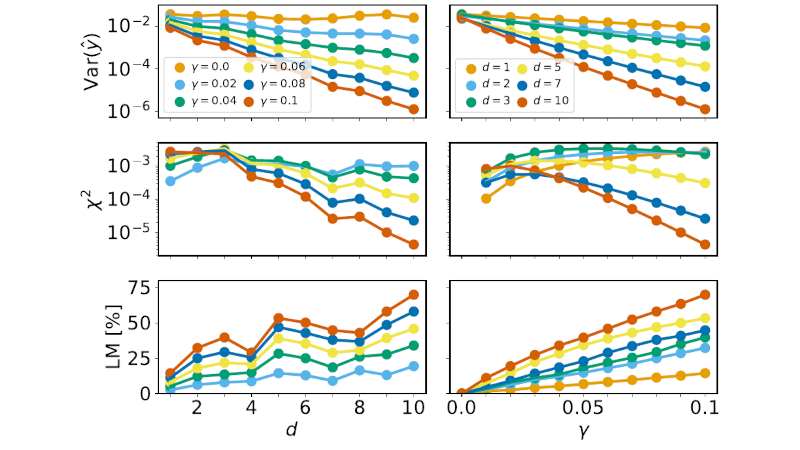
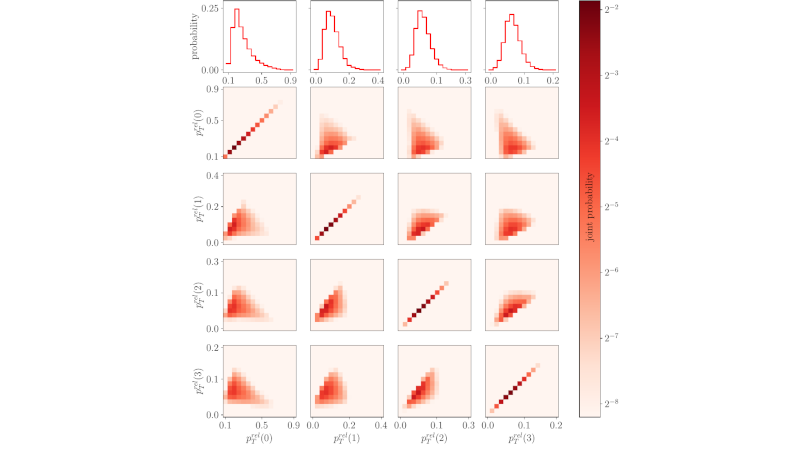
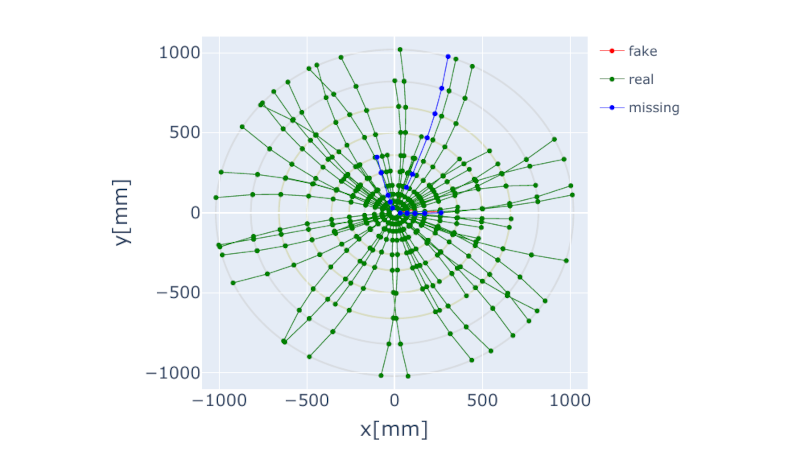
We develop and test novel quantum machine learning algorithms that bridge fundamental research and real-world applications. We tackle diverse challenges: particle tracking at detector experiments, analyzing collision data, generating simulated events for high-energy physics, and detecting rare diseases in medical datasets. We also work on understanding how to leverage symmetries inherent in the data to improve algorithm performance and how hardware noise affects these symmetry-based approaches. By exploring the interplay between data structure, quantum algorithms, and noise, we identify where quantum machine learning can potentially provide advantages.
Optimization Tasks.
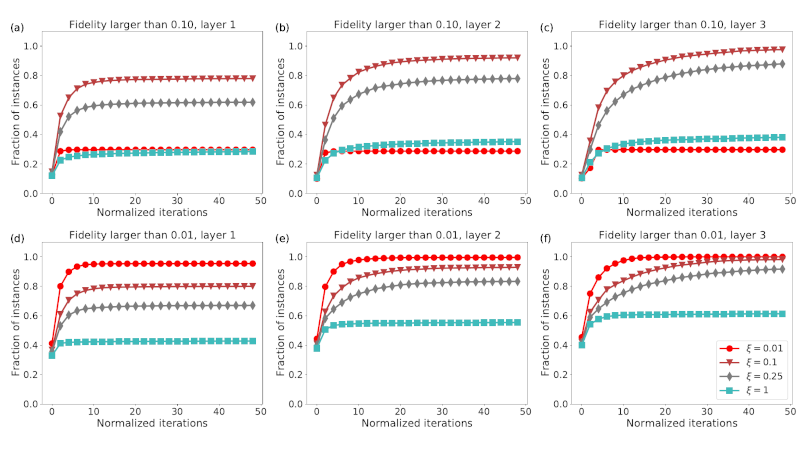
We explore quantum algorithms for tackling complex optimization problems, from flight gate assignment at airports to particle track reconstruction in collider experiments. Using near-term quantum devices, we test variational and other current algorithms on these real-world challenges while systematically benchmarking their performance against classical optimization methods. Our work has revealed important insights: many present-day variational approaches show limited promise compared to their classical counterparts, highlighting the gap between today's noisy quantum hardware and the performance needed for practical advantage. It seems necessary to develop optimization techniques better suited for future fault-tolerant quantum computers, where quantum methods could actually prove beneficial for real-world optimization tasks. By honestly assessing current limitations, we help chart a realistic path toward quantum optimization that delivers genuine impact.
Quantum Algorithms.
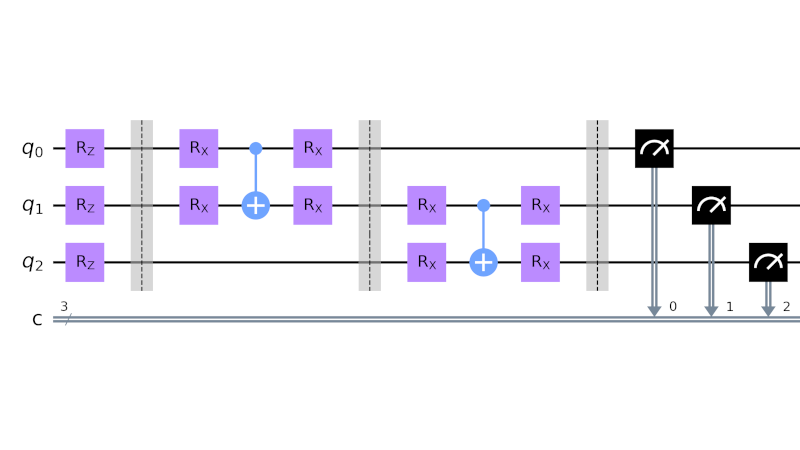
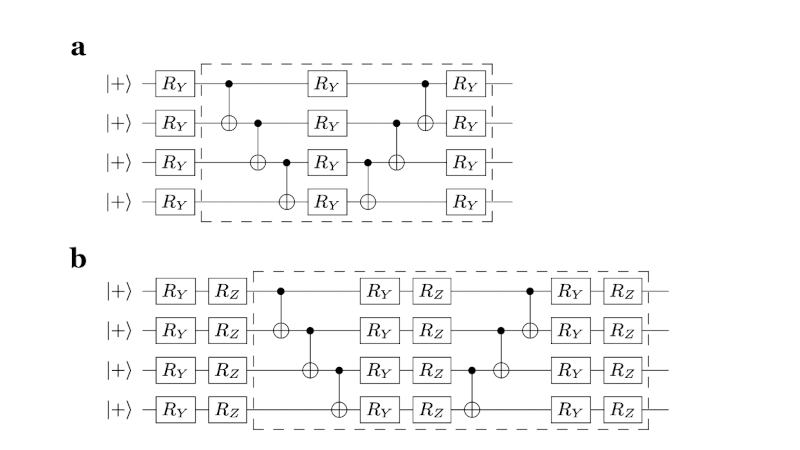
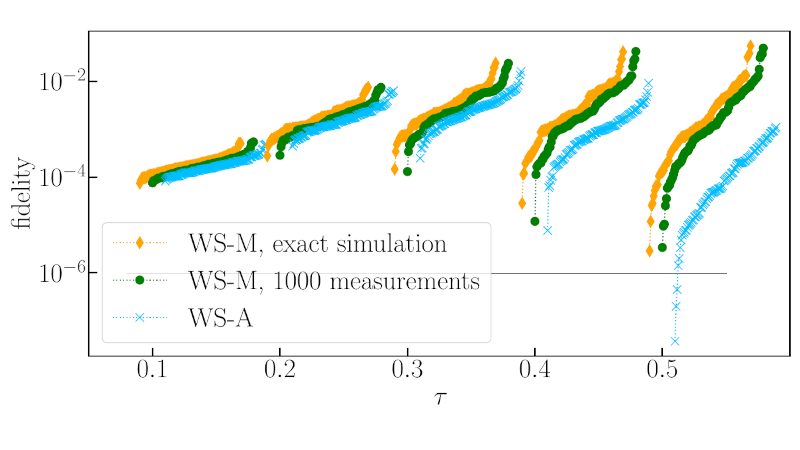
We develop techniques that improve how quantum algorithms perform on real hardware. This includes preparing parametrized quantum circuits to reduce computational overhead, investigating how readout error mitigation can paradoxically increase variance in measurements, and analyzing how different noise sources affect algorithm performance. A crucial part of our research involves the art and science of mapping complex (physics) problems onto quantum computer architectures, determining which qubits represent which physical degrees of freedom, how to efficiently encode interactions, and how to extract meaningful results from noisy measurements. These foundational studies don't target a single application but rather build the toolkit that makes quantum computing practical across domains, helping the field move from proof-of-concept demonstrations to reliable computational tools.