Where quantum science
meets public interest.
We connect policymakers with trusted, bias-free research insights to support strategic decision-making on quantum technology development and governance.
We inform the general public through news and events about the most important developments in the field.
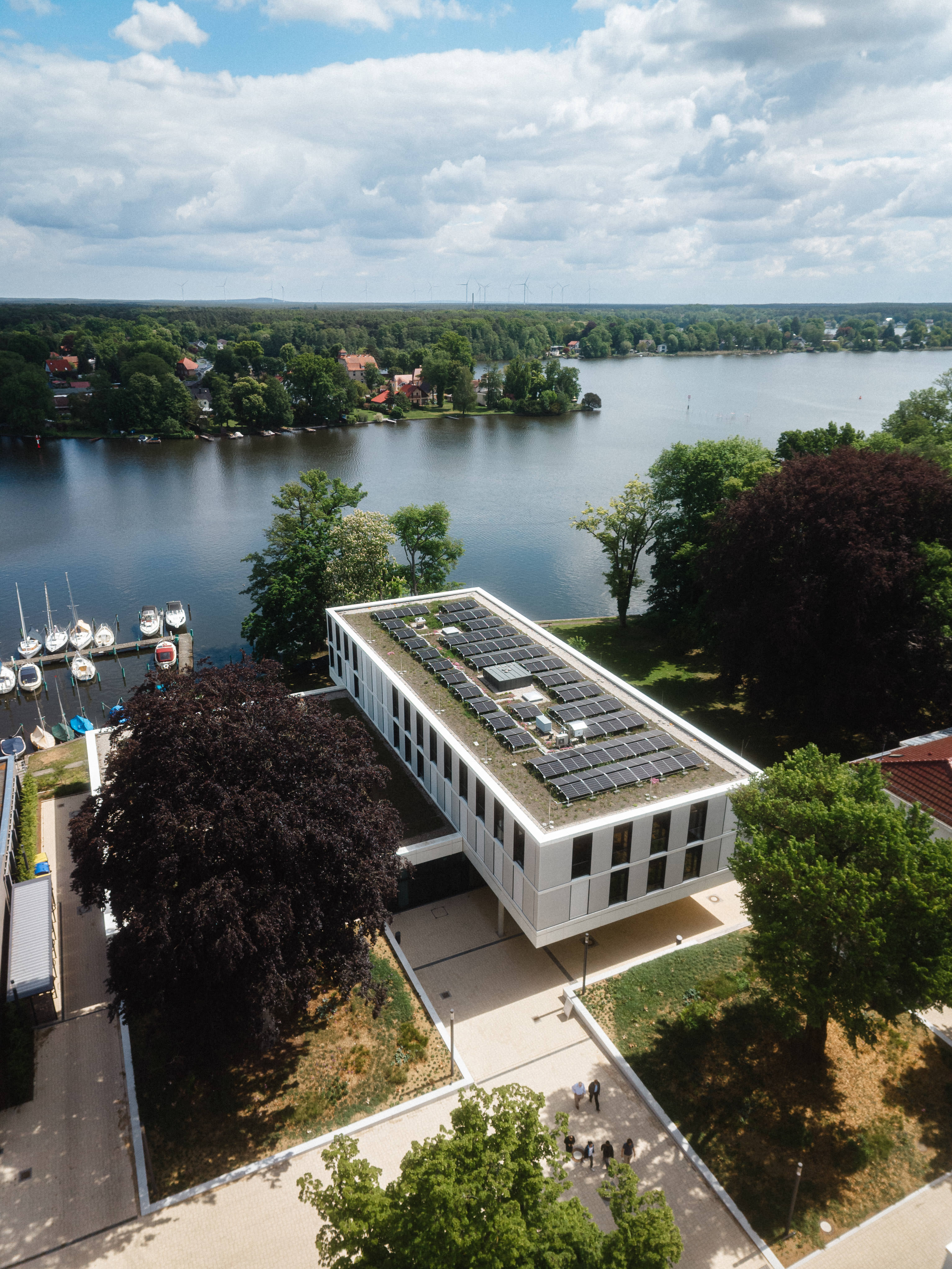
Quantum Technology in Brandenburg.
Brandenburg has developed a collaborative quantum technology network that brings together research institutions including DESY, the Leibniz Institute for Innovative Microelectronics (IHP), Brandenburg Technical University Cottbus-Senftenberg, and Technical University of Applied Sciences Wildau.
The Brandenburg Quantum Technology Roadmap, published in 2024, outlines the state's strategic vision to establish the capital region as an attractive location for quantum technology applications through a partnership-based approach. Rather than competing for scale with larger quantum hubs like Munich, Brandenburg focuses on becoming a "role model" for practical quantum applications, use cases, and workforce development.

Quantum Technology in Germany.
Germany has positioned quantum technology as a strategic priority in its Hightech Agenda Deutschland, recognizing the global market potential of approximately 2 trillion US dollars by 2035. The federal government aims to realize at least two error-corrected quantum computers at European top level by 2030 and strengthen the country's position in quantum computing, sensing, and communication through targeted investments in research infrastructure and technology transfer.
Brandenburg contributes to this national strategy through a distinctive approach: Our region positions itself as a testbed for practical applications and industry collaboration. CQTA serves as a bridge between federal quantum initiatives and regional innovation needs, offering neutral access to quantum computing resources and application-oriented research that supports the Hightech Agenda's goals of translating quantum research into economic value.
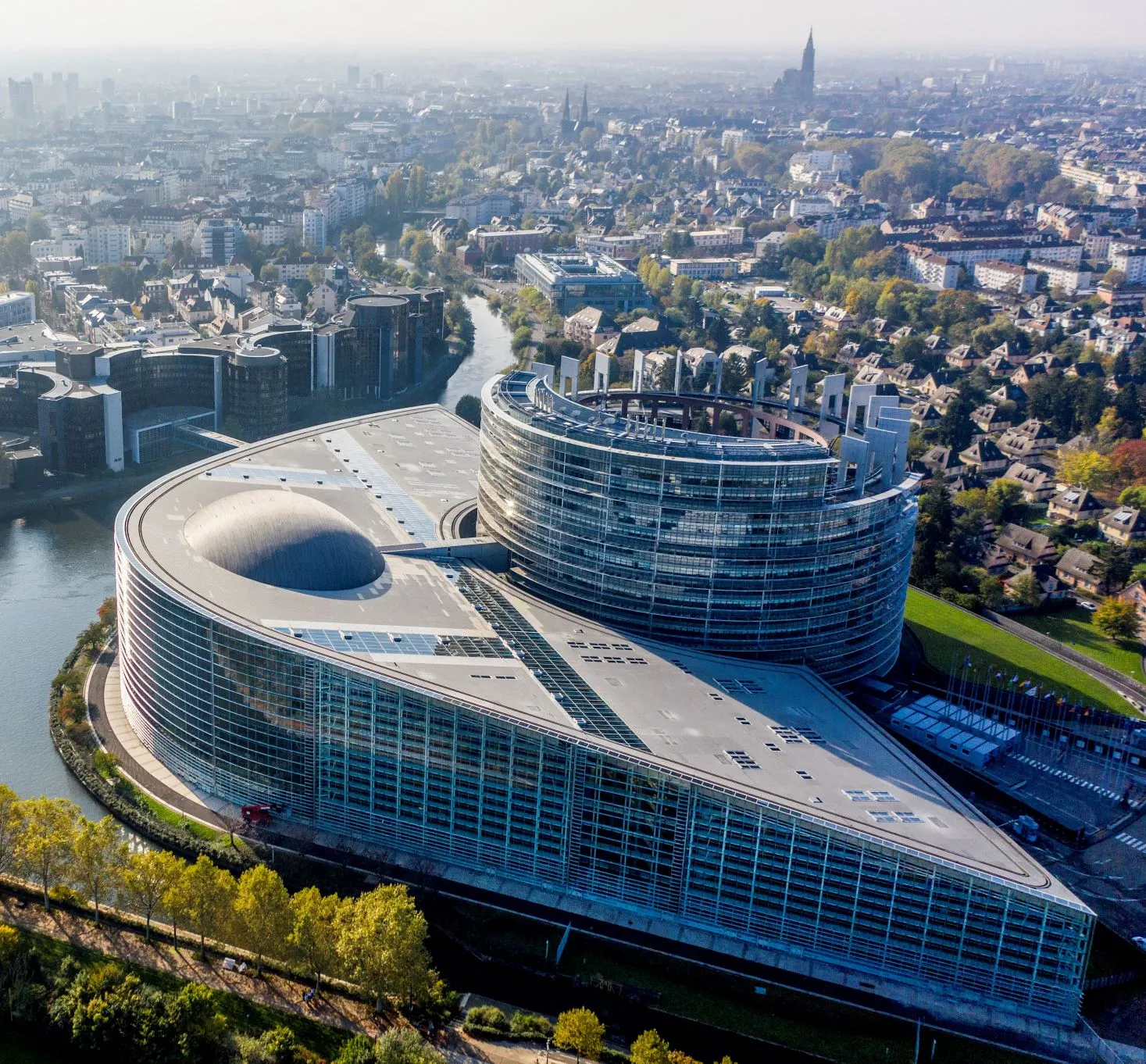
Quantum Technology in Europe.
The newly adopted Quantum Europe Strategy seeks to position Europe as a global leader in quantum by 2030 by fostering a resilient, sovereign quantum ecosystem. A key infrastructure element is the EuroHPC Joint Undertaking, which has selected six sites across the EU to host quantum computers integrated with supercomputers, representing a total investment of €100 million. This is flanked by the Quantum Technologies Flagship, a €1 billion, 10-year initiative launched in 2018, as well as a whole host of additional funding instruments by the EIB, the EIC and other European entities.
CQTA plans to actively contribute to this European quantum ecosystem with a specific focus on Eastern Europe, working with leading facilities including Poland's Poznan Supercomputing and Networking Center (PSNC), which hosts PIAST-Q, the first publicly accessible EuroHPC quantum computer, and IT4Innovations in Ostrava, Czechia, home to the VLQ quantum computer. Through planned connections with Eastern European countries, CQTA seeks to foster cross-border knowledge exchange and help build a more inclusive European quantum landscape by partnering with Widening Countries in the interest of a strong European quantum ecosystem.